
News
Keep posted on what our department and its members are accomplishing on a daily basis.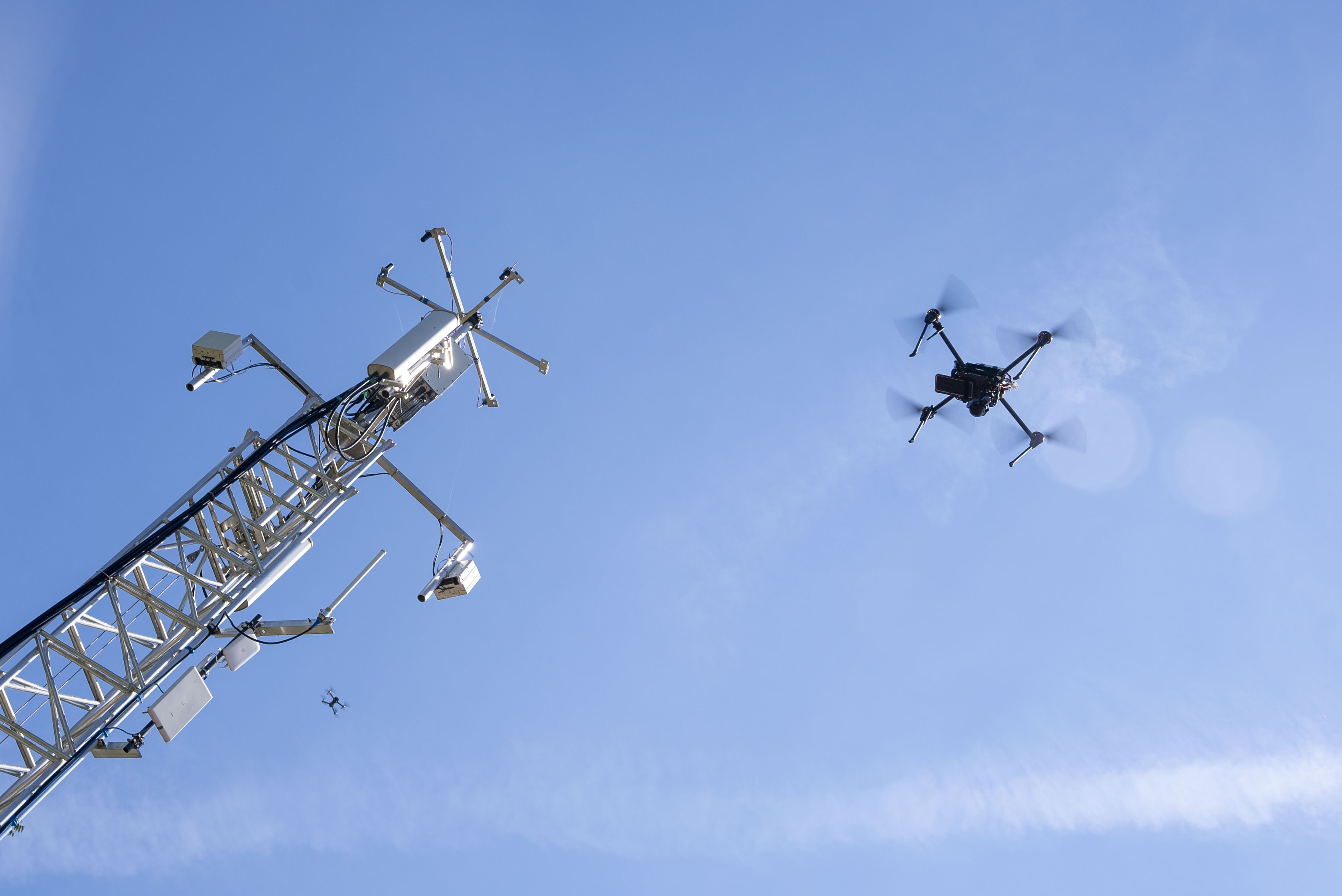
Doctoral Student Receives NSF Graduate Research Fellowship
Posted on April 8, 2024 | Filed Under: Grad Students
Congratulations to Cole Dickerson, just named a 2024 recipient of the NSF Graduate Research Fellowship, supporting his work on unmanned aerial platforms with AERPAW.

Oralkan Elected to AIMBE College of Fellows
Posted on March 25, 2024 | Filed Under: Faculty
Omer Oralkan elected to College of Fellows of the American Institute for Medical and Biological Engineering for pioneering contributions in capacitative micromachined ultrasonic transducers.
New Software Boosts Accuracy of Tech to Measure Crop Health
Posted on March 25, 2024 | Filed Under: Research
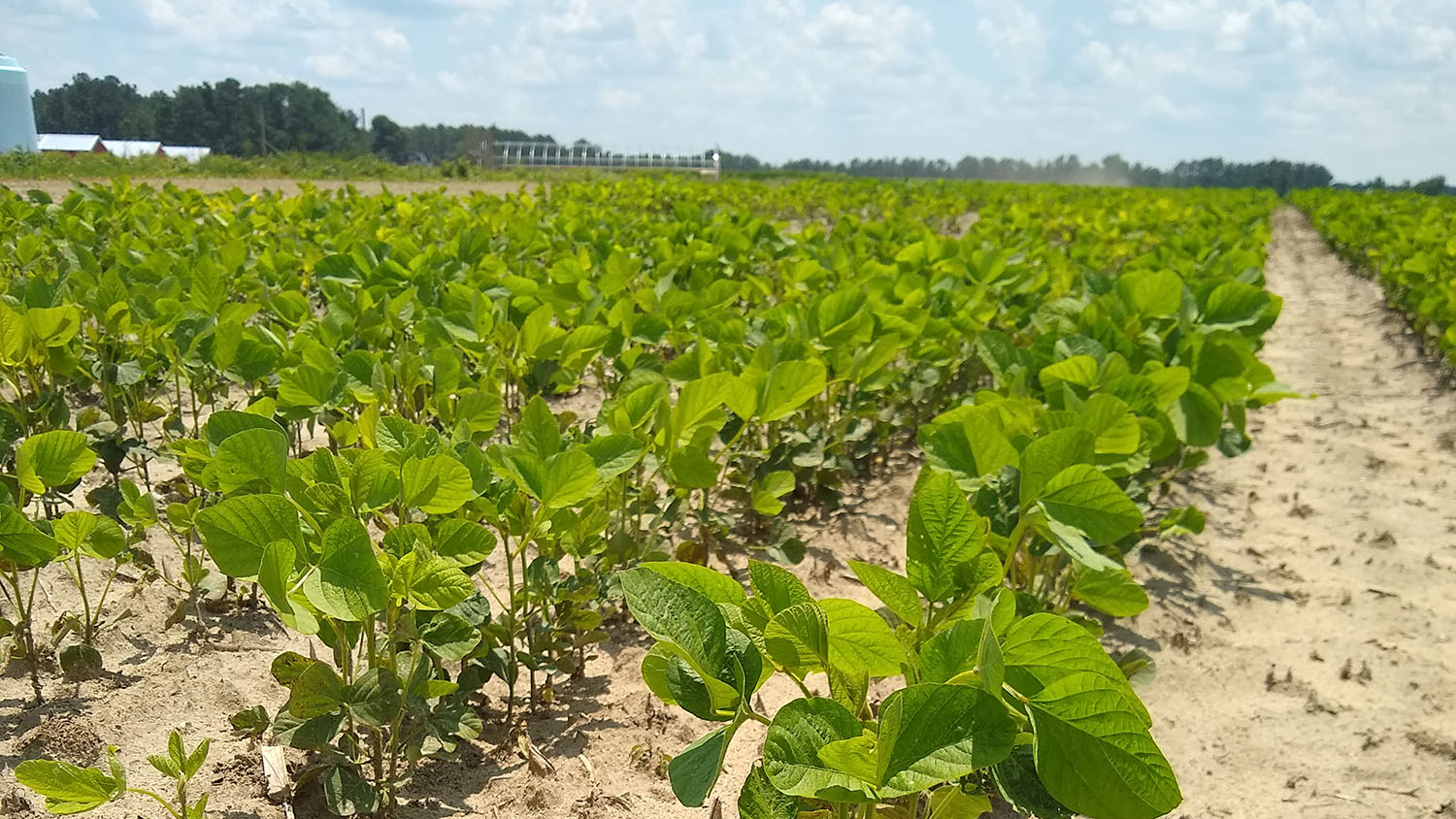
A new tool improves the accuracy of electronic devices that measure the color of a plant’s leaves to assess health.
ASSIST and IConS Researchers Part of NSF Convergence Accelerator Grant
Posted on February 20, 2024 | Filed Under: Faculty and News and Research
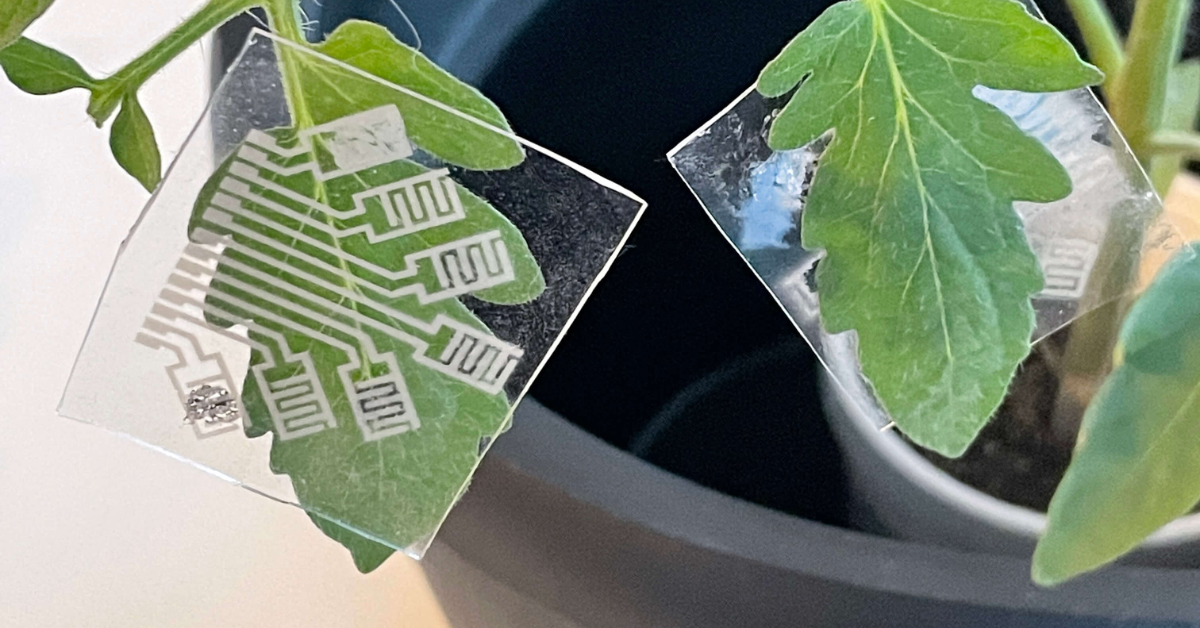
It seems almost impossible to imagine replicating the impressive olfactory sensing abilities of animals. Indeed, jewel beetles can detect a burning tree 50 miles away, and dogs can sniff out substances at concentrations of one part per tril …

Aysu and Lobaton Named University Faculty Scholars
Posted on February 20, 2024 | Filed Under: Faculty
NC State’s 2023-24 class of University Faculty Scholars was announced today. These 22 early- and mid-career faculty receive this designation in recognition of their outstanding academic achievements and contributions to NC State through the …

Electrical Engineering Online Degree Program Cracks the Rankings Top 10
Posted on February 15, 2024 | Filed Under: Programs
NC State was well-represented in the U.S. News & World Report’s latest rankings, including the Master’s in Electrical Engineering climbing 3 spots to be ranked 8th in the nation.

ECE GSA Research Symposium 2024 Finalists
Posted on January 26, 2024 | Filed Under: News
The 2024 ECE Graduate Research Symposium was hosted by the ECE Graduate Student Association in January.

Electrical and Computer Engineering Student Awarded IEEE Scholarship
Posted on January 25, 2024 | Filed Under: Awards
Matt Parker is 1 of 82 recipients across the country to receive an IEEE scholarship for his studies of the power industry and its impact on our society.
Lu Named Blessis Outstanding Undergraduate Advisor Award Recipient
Posted on December 6, 2023 | Filed Under: Awards and Faculty and News
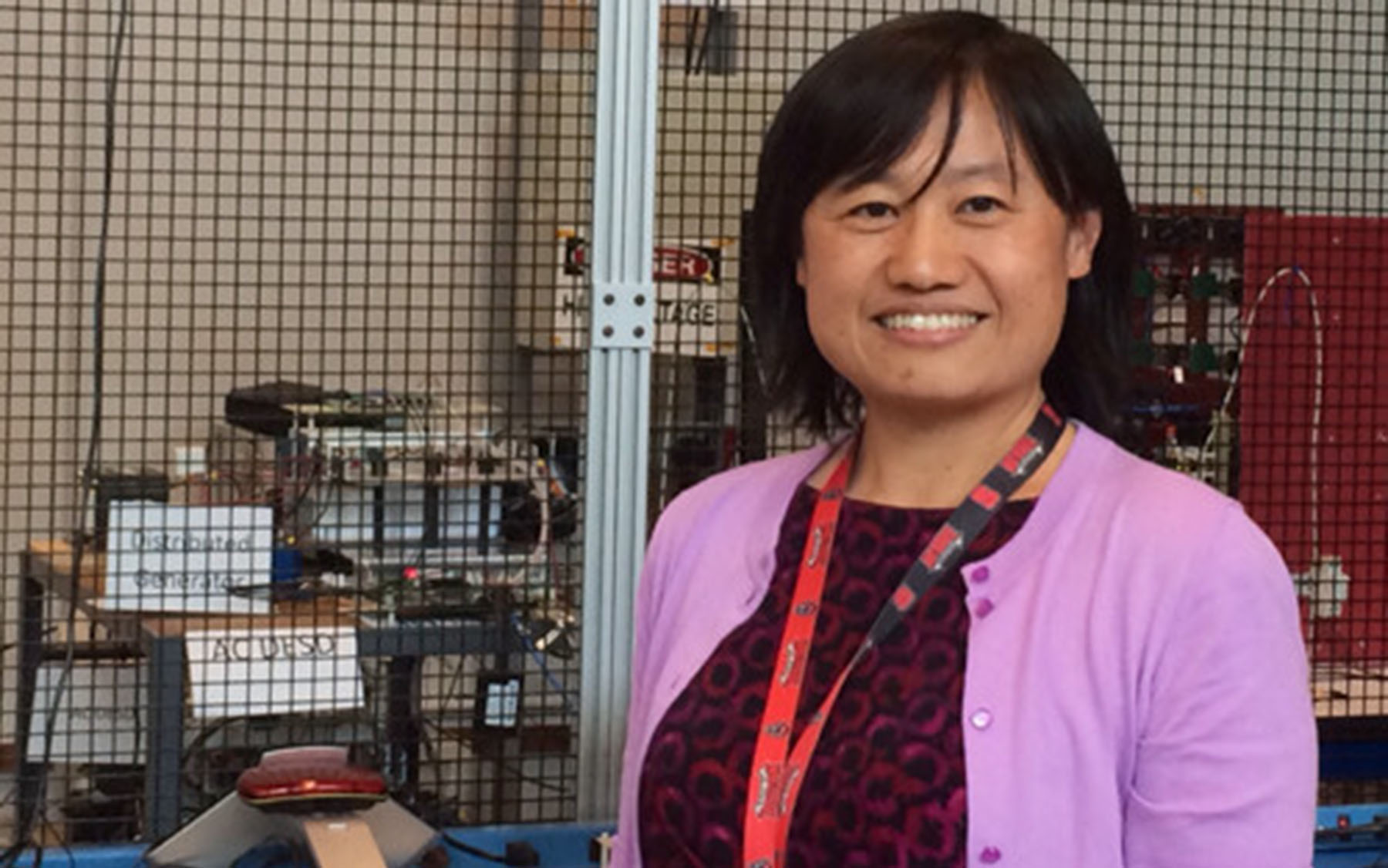
Ning Lu, Professor in the ECE Department has been announced as the winner of this year’s George H. Blessis Outstanding Undergraduate Advisor Award, given by the College of Engineering at North Carolina State University. The award recognizes …

AI Networks Are More Vulnerable to Malicious Attacks Than Previously Thought
Posted on December 4, 2023 | Filed Under: Research
A study finds AI tools are more vulnerable than previously thought to targeted attacks that effectively force AI systems to make bad decisions.
- Previous
- Next

Injectable Microchip Tracks Animal Health
Around the world, many pets and working animals are microchipped. It’s a simple process: A tiny transponder with an identification number is enclosed in a rice-grain-sized cylinder and injected under the skin, so that if an animal is lost it can be identified. This new devices does more, including tracking and reporting heart rate, breathing, movement, and temperature sensing in a 4-mm-wide package.
Posted on March 12, 2024

NC State innovation on display at CES 2024 in Las Vegas
Posted on January 11, 2024
Stress Monitors for Plants Can Spot Dehydration
In a forthcoming paper to be published in IEEE Transactions on AgriFood Electronics(TAFE), James Reynolds, a postdoctoral research scholar at NC State’s iBionicS Lab and first author of the paper, and fellow researchers at North Carolina State University explored how plant tissue’s impeding of electrical current can be monitored to identify plants under stress with relative immediacy—less than an hour, in some cases.
Posted on December 11, 2023

‘We’re hitting new limits.’ NC quantum computing bullish on a coveted breakthrough
Superconductors, the other prominent approach to quantum computing, are the focus of North Carolina State University and its partner corporation, IBM. Nicknamed “chandeliers,” IBM’s machines are gold-plated, multi-level apparatuses with a progression of wires and tubes funneling down to single silicon processor chips. While Duke has ion-trap computers in the Triangle, NC State researchers remotely access the chandeliers, which are housed at the IBM facility in Yorktown Heights, New York. “Each technology kind of has its strength,” said Daniel Stancil, executive director of the IBM Quantum Hub at NC State. “I think there have been some significant developments in the hardware in the past year.”
Posted on December 4, 2023
Energy Harvesting for Wearable Technology Steps Up
Wearable devices, like nearly every other piece of tech, need energy. Fortunately, though, at wearables’ modest power budgets, energy is effectively everywhere. It’s in the sun’s rays and radio waves, the skin’s sweat and body heat, a person’s motion and their footfalls. And today, technology is maturing to the point that meaningful amounts of these energy giveaways can be harvested to liberate wearables from ever needing a battery. Which seems plenty attractive to a range of companies and researchers.
Posted on November 1, 2023

Deputy Secretary of Defense Kathleen Hicks Announces $238M CHIPS and Science Act Award
Deputy Secretary of Defense Kathleen Hicks announced the award today of $238 million in “Creating Helpful Incentives to Produce Semiconductors (CHIPS) and Science Act” funding for the establishment of eight Microelectronics Commons (Commons) regional innovation hubs. This includes the Commercial Leap Ahead for Wide Bandgap Semiconductors (CLAWS) Hub, led by NC State University with a $39.4-million award for FY23.
Posted on September 20, 2023